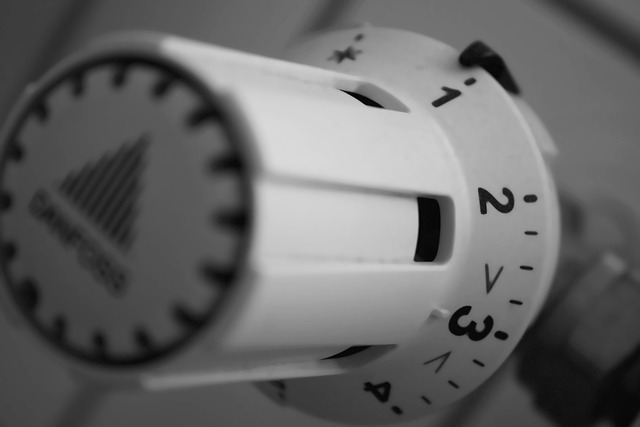
A home energy audit systematically assesses a property's energy performance through specialized tools to identify inefficiencies driving up utility costs. Key areas include HVAC systems, insulation, lighting, and appliances. Upgrades like LED bulbs and modern appliances can reduce energy bills by 20-30%. Regular maintenance is crucial for sustained efficiency. These measures enhance comfort, meet lender requirements, and increase property value.
In today’s environmentally conscious world, understanding and optimizing your home’s energy efficiency is more crucial than ever. A home energy audit stands as a powerful tool for homeowners seeking to reduce energy costs, enhance comfort, and contribute to sustainability. However, many are uncertain where to begin. This comprehensive guide aims to demystify the process, offering a clear resource for navigating the complexities of a home energy audit. By the end, you’ll be equipped with the knowledge to make informed decisions about improving your home’s energy performance.
Understanding Home Energy Audit Basics
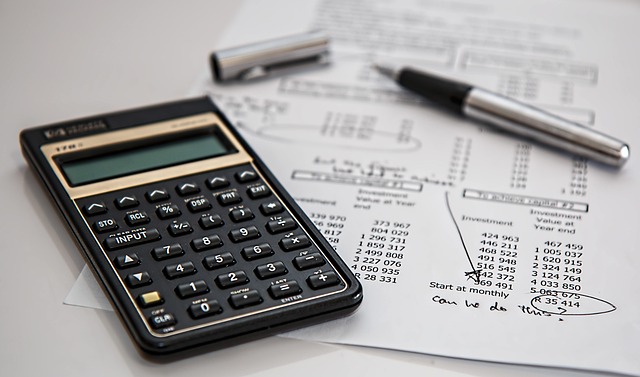
A home energy audit is a comprehensive process that evaluates a property’s energy performance, identifying areas for improvement to enhance efficiency and reduce utility costs. It involves a thorough examination of various systems within a home, including heating, ventilation, air conditioning (HVAC), insulation, lighting, and appliances. Understanding the basics of this audit is crucial for both homeowners looking to optimize their living spaces and real estate professionals aiming to attract eco-conscious buyers or investors.
The primary goal of a home energy audit is to pinpoint inefficiencies that contribute to elevated energy consumption. Auditors utilize specialized equipment and software to measure temperature, air quality, and energy usage across different zones of the property. This data allows for a detailed analysis of potential problem areas, such as drafts around windows or doors, inadequate insulation in attics or walls, or outdated heating and cooling systems. By identifying these issues, homeowners can make informed decisions about renovations or retrofits to improve energy efficiency. For instance, a study by the U.S. Department of Energy found that homes with proper insulation and sealed air leaks saved an average of 15% on heating and cooling bills.
One key aspect often overlooked is the relevance of home energy audit borrower requirements. Lenders and mortgage providers increasingly consider energy efficiency as a factor in loan decisions, recognizing its long-term financial benefits for both borrowers and the environment. Incorporating energy-saving measures into a property can qualify homes for special financing programs or lower interest rates. This trend underscores the growing importance of understanding home energy audits not only from an environmental perspective but also as a strategic move to enhance the financial viability of real estate investments.
Conducting a Comprehensive Audit Step-by-Step
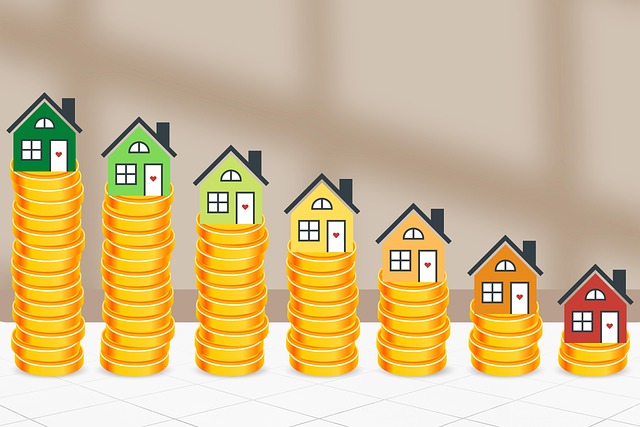
Conducting a comprehensive home energy audit is a crucial step for any real estate transaction, offering insights into a property’s energy efficiency and potential cost savings. This process involves a systematic evaluation of various systems and factors that contribute to a home’s energy consumption. By meticulously analyzing these aspects, homeowners and lenders can identify areas for improvement and make informed decisions regarding energy-related investments.
The audit should encompass several key elements. First, it requires an assessment of the building envelope, including walls, roofs, windows, and doors. These components significantly impact a home’s energy performance as they control the flow of air and heat. Experts will check for adequate insulation, sealed gaps, and the condition of window frames. For instance, data suggests that improving insulation in attics and walls can lead to 10-30% reduction in heating and cooling bills. Next, the heating, ventilation, and air conditioning (HVAC) system should be thoroughly examined. This involves checking for regular maintenance, efficient operation, and proper sizing for the home’s square footage. An outdated or improperly sized HVAC system can waste energy and negatively impact a borrower’s energy costs.
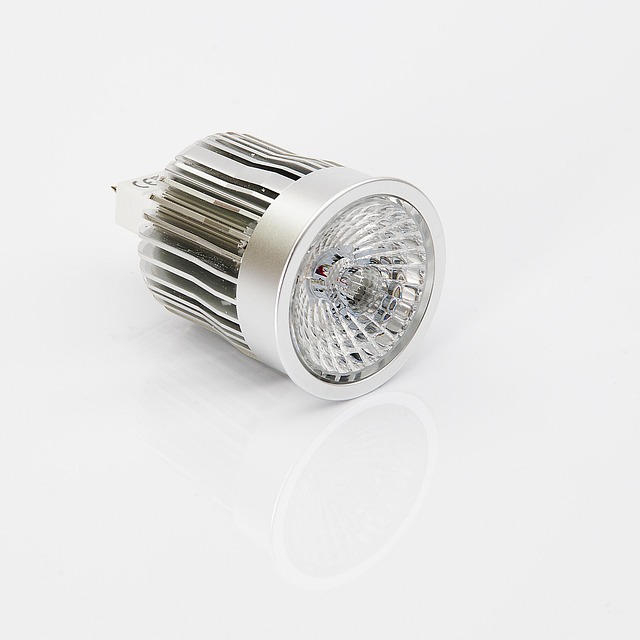
Additionally, the audit should include an evaluation of lighting systems, appliances, and electrical wiring. Replacing old incandescent bulbs with LED lights is an easy upgrade that can save up to 80% on lighting bills. Similarly, modern appliances often come with energy-saving features, so checking for these and ensuring they are in good working order is essential. Old or faulty wiring can lead to energy wastage, making it another critical area to assess during a home energy audit. By addressing these aspects, borrowers can not only improve their energy efficiency but also enhance the overall value of their property.
Optimizing Energy Efficiency: Post-Audit Actions
After conducting a home energy audit, homeowners are equipped with valuable insights into their property’s energy performance. The next crucial step is to translate this knowledge into actionable strategies for optimizing energy efficiency. This involves implementing recommendations and adopting long-term practices that promote sustainability. One of the primary goals is to reduce energy consumption, not only saving on utility bills but also contributing to a greener environment.
A comprehensive post-audit action plan can include a range of measures tailored to individual homes. For instance, improving insulation in attics and walls can significantly prevent heat loss or gain, leading to better temperature control. Upgrading old windows with energy-efficient models is another effective strategy, as it reduces air leakage and enhances overall insulation. Moreover, replacing outdated appliances with Energy Star-rated ones can substantially lower energy usage without compromising performance. According to recent studies, homes that incorporate these upgrades can achieve energy savings of 20-30% or more.
Homeowners should also consider broader structural changes. Upgrading heating and cooling systems to more efficient models is a significant investment but offers substantial long-term benefits. Smart thermostats, for example, allow for precise temperature control while optimizing energy use. Additionally, exploring renewable energy sources like solar panels can further reduce utility costs and make homes more environmentally friendly. These measures not only enhance comfort but also serve as part of the home energy audit borrower requirements, ensuring that mortgages are secure and properties are maintained to high standards.
Regular maintenance plays a vital role in sustaining energy efficiency. Homeowners should create a schedule for inspecting and replacing air filters, cleaning ducts, and checking for any signs of air leakage around doors and windows. Such proactive measures ensure that the home remains optimized for energy conservation, aligning with the goals of both homeowners seeking cost savings and lenders aiming for responsible borrowing practices.