
A home energy audit provides a detailed evaluation of a property's energy efficiency through inspections and data analysis. It reveals usage patterns, identifies areas for improvement, and offers cost savings (10% to 30%) through recommended changes. Preparing involves organizing utility bills and major appliance information. During the audit, focus on key insights in each room, from walls and windows to appliances and lighting. Regular maintenance and upgrades, like LED bulbs and low-flow showerheads, significantly reduce energy consumption. The audit provides a roadmap for optimizing residential energy use, prioritizing high-ROI measures, and continuously improving efficiency based on real-world results. By participating actively, borrowers can make informed decisions on cost-saving upgrades and enhance their property's long-term value.
In today’s world, optimizing energy efficiency at home has become a paramount concern for environmentally conscious buyers. A home energy audit stands out as a powerful tool to identify areas of improvement, leading to significant cost savings and reduced environmental impact. However, the process can be daunting for those unfamiliar with it. This article offers a comprehensive, actionable walkthrough designed to guide buyers through every step of conducting a thorough home energy audit, empowering them to make informed decisions about their living spaces. By the end, readers will possess the knowledge to navigate this process effectively, contributing to both personal savings and a greener future.
Understanding Home Energy Audit: Unlocking Efficiency Secrets
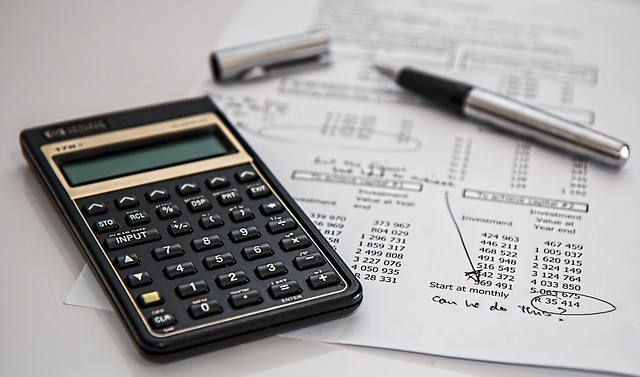
A home energy audit is a powerful tool for buyers seeking to unlock their property’s efficiency secrets. This comprehensive evaluation goes beyond surface-level assessments, delving into a home’s systems and behaviors to identify areas where energy can be conserved and costs reduced. For borrowers considering this step, understanding the audit process and its benefits is crucial. It’s not just about identifying problem areas but also about making informed decisions that align with both financial goals and environmental sustainability.
The first step in any home energy audit involves a detailed inspection of the property. This includes assessing heating and cooling systems, insulation, air sealing, and even behavioral patterns that impact energy usage. Experts use specialized equipment to measure things like thermal imagery, which can reveal heat loss or gain, and conduct tests to determine the efficiency of appliances and lighting. This data is then analyzed against established standards and current regulations to identify discrepancies and opportunities for improvement. For borrowers, one key outcome of this phase is a clear picture of where their energy dollars are going—and where they can be saved.
Home energy audit borrower requirements extend beyond the initial assessment. Implementing recommended changes often involves some level of investment. However, the returns on these investments can be significant, with potential savings ranging from 10% to 30% on utility bills over time. Moreover, many local and national programs offer incentives for making energy-efficient upgrades, further enhancing the financial benefits. By embracing a home energy audit, borrowers not only gain insights into their property’s efficiency but also position themselves to benefit from both immediate cost savings and long-term value appreciation.
Prepare for Your Audit: Tips for Optimal Results

Preparing for a home energy audit is a crucial step for any buyer looking to make informed decisions about their future living space. This process involves a thorough evaluation of your home’s energy usage and efficiency, offering insights that can lead to significant cost savings and improved comfort. To ensure optimal results from your audit, it’s essential to understand what goes into the process and how you can contribute to its effectiveness. Here are some expert tips tailored to help buyers prepare for their audits.
Start by gathering relevant documents, such as utility bills from the past 12 months. This data provides a baseline energy consumption profile that auditors will use as a reference point. Additionally, create an inventory of major appliances, heating and cooling systems, insulation materials, and any recent home improvements or renovations. For instance, knowledge of your roof’s age and type, window configurations, and the presence of double-glazing can offer valuable context during the audit. It’s also beneficial to identify areas of concern—drafty windows, inefficient appliances, or inadequate insulation—so you can highlight these for the auditor, ensuring they receive clear guidance on where to focus their attention.
Another critical aspect is to ensure a clutter-free environment for the audit. Clear access to walls, attics, and other essential spaces allows auditors to perform accurate assessments. Remove any obstructions that might hinder their examination, such as heavy furniture blocking heat registers or air conditioning units. This preparation facilitates a more comprehensive audit, enabling you to gain a clearer picture of your home’s energy performance and identifying specific areas for improvement. Remember, the goal is to make your home as transparent as possible during this evaluation, ensuring the best possible outcomes from your home energy audit.
Exploring Your Home: A Room-by-Room Analysis
Exploring your home room by room is a critical step in any comprehensive home energy audit. This meticulous process involves scrutinizing every space to identify areas where energy efficiency can be enhanced. From the cozy confines of your bedroom to the bustling kitchen, each room presents unique opportunities for savings. For instance, an unexpected source of heat loss could be revealed through a thorough analysis of walls and windows in living areas. Insulation and sealing gaps may prove more effective than expected at maintaining comfortable temperatures.
During this phase, homeowners should pay close attention to major appliances and systems. Air conditioning units and furnaces require regular maintenance to operate efficiently, often a key factor in home energy audit borrower requirements. Older models might be candidates for replacement, offering significant long-term savings. A simple check of refrigerator seals or the programming of thermostats can yield immediate results. In addition to comfort, these measures contribute to environmental sustainability, as reduced energy consumption translates into lower greenhouse gas emissions.
Lighting is another essential component that deserves room-by-room consideration. Switching to LED bulbs and ensuring natural light maximization are straightforward actions with tangible benefits. According to the U.S. Department of Energy, LED bulbs use 75% less energy than incandescent ones and last 25 times longer. Implementing these changes not only reduces utility bills but also aligns with responsible borrowing practices, as many lenders now consider home energy efficiency an attractive factor in loan applications.
Finally, assess the functionality and energy efficiency of your water heating system. Insulating hot water pipes and installing low-flow showerheads are cost-effective measures that can significantly impact overall energy usage. These simple upgrades often provide quick returns on investment, making them a practical addition to any home energy audit checklist. Incorporating these room-by-room analyses is not only crucial for optimizing your home’s energy performance but also plays a strategic role in responsible borrowing and long-term financial health.
Decoding Audit Findings: Prioritizing Energy Savings
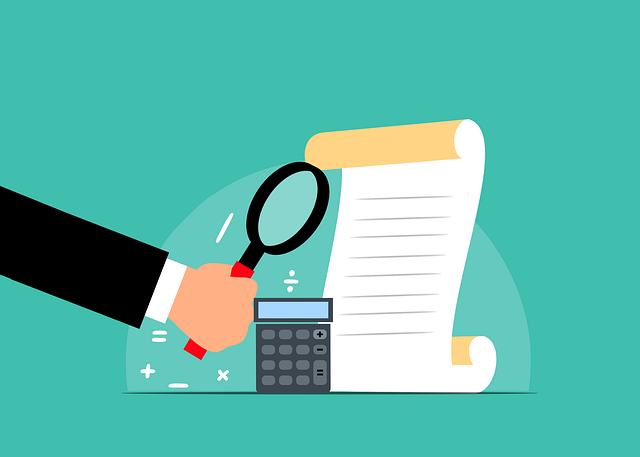
A home energy audit offers a detailed roadmap to understanding your residence’s energy consumption patterns. After all, it’s essential to decipher the findings of such an assessment to make informed decisions about potential savings. This process involves sorting through data, identifying inefficiencies, and prioritizing actions that align with your financial goals and borrower requirements. Let’s explore how to navigate this crucial step effectively.
Deciphering audit results begins by understanding the key metrics and areas covered. A comprehensive home energy audit typically evaluates heating and cooling systems, insulation, air leaks, lighting, appliances, and water heating. Each category reveals specific issues and opportunities for improvement. For instance, an inefficient furnace might be indicated as a significant contributor to high energy bills, while inadequate insulation could lead to heat loss during winter months. Identifying these areas allows homeowners to set realistic goals and allocate resources accordingly.
Prioritizing energy savings requires a strategic approach. Start by focusing on measures with the highest potential return on investment (ROI). In many cases, upgrading older appliances or replacing inefficient heating and cooling systems can yield substantial savings over time. Moreover, simple yet effective steps like sealing air leaks around windows and doors can significantly reduce energy waste. Homeowners should also consider the timing of their efforts; for instance, insulating attics during warmer months can prevent summer energy spikes. By addressing these issues based on audit findings, borrowers can meet their energy efficiency goals while optimizing their investments in home improvements.
Expert advice emphasizes the importance of setting achievable targets. Prioritizing savings doesn’t mean tackling everything at once; rather, it involves a phased approach. Begin with quick wins—simple adjustments that deliver immediate results. As resources allow, move on to more substantial upgrades. Regularly reviewing audit findings against actual energy consumption data helps refine strategies. Homeowners should track their progress, celebrate milestones, and continually adapt their plans based on real-world outcomes. This iterative process ensures that every step taken contributes to a smarter, more energy-efficient home—a true game changer for any borrower seeking long-term savings.
Taking Action: Implementing Cost-Effective Solutions
A home energy audit is more than just a snapshot of your home’s current energy use; it’s a roadmap to significant cost savings and increased comfort. For buyers looking to implement cost-effective solutions, understanding the findings of an energy audit is crucial. This process identifies areas where inefficiencies exist, from outdated appliances to inadequate insulation, offering insights that can guide informed decisions.
One of the primary benefits of a home energy audit for borrowers is the potential for substantial financial savings. According to the U.S. Department of Energy, homes that undergo energy audits and implement recommended improvements can save 5-30% on their energy bills. These solutions are not only eco-friendly but also economically sound, especially when considering the long-term return on investment. For instance, upgrading to ENERGY STAR® certified appliances or installing programmable thermostats can significantly reduce utility expenses over time. Borrowers should aim to prioritize measures that offer the highest energy and cost savings based on their audit results.
The process begins with a professional assessment that involves an in-depth review of your home’s systems, including heating and cooling equipment, insulation, windows, doors, lighting, and appliances. Following this, borrowers receive a detailed report outlining problem areas and suggested remedies. It’s essential to engage actively during the audit, asking questions and taking notes. This ensures a clear understanding of the findings and empowers borrowers to make informed choices about which improvements to implement first. Remember, each home is unique, and tailored solutions are key to achieving optimal energy efficiency.