A home energy audit identifies areas for reducing energy costs and improving efficiency through targeted renovations. Professionals assess heating/cooling, lighting, appliances, insulation, and gaps to provide tailored recommendations. Upgrades like LED bulbs, Energy Star appliances, and smart thermostats can lead to 10-30% energy savings. Regular tracking of energy data post-audit ensures continuous improvement and justifies costs. Proactive homeownership with SMART goals aligns with financial incentives for energy efficiency.
In today’s world, optimizing energy efficiency at home has become a paramount concern for both environmental sustainability and financial savings. As energy costs continue to rise, homeowners are increasingly seeking ways to reduce their carbon footprint and utility bills. This is where a comprehensive home energy audit proves instrumental. A thorough energy audit offers a roadmap to identify inefficiencies, prioritize improvements, and maximize energy conservation. By providing actionable insights tailored to individual homes, this process empowers property owners to make informed decisions, enhance comfort, and contribute to a greener future. In this article, we guide you through the intricacies of conducting a home energy audit, offering proven strategies for achieving significant energy savings.
Understanding Home Energy Audit: Unlocking Efficiency Potential
A home energy audit is a powerful tool for homeowners seeking to optimize their energy consumption, reduce costs, and promote sustainability. It involves a thorough examination of your residence’s energy usage patterns and identifies areas where inefficiencies exist. By understanding these vulnerabilities, you can make informed decisions about renovations or adjustments that will unlock significant energy savings potential. This process is not merely about upgrading appliances but also about improving insulation, sealing leaks, and adopting smart thermostats—all contributing to a more comfortable home and lighter utility bills.
For instance, according to the U.S. Department of Energy, a typical American family spends around $2,000 annually on energy costs. A comprehensive home energy audit can help you pinpoint specific areas where your home is losing heat or cool air, leading to unnecessary expenditure. Borrowers considering renewable energy investments or energy-efficient mortgages should especially appreciate the value of these audits. The audit process aligns with borrower requirements by providing a detailed roadmap for achieving energy independence and financial savings, which are increasingly recognized as essential components of responsible borrowing and long-term cost management.
During an audit, professionals assess various factors such as heating and cooling systems, lighting, appliances, and structural elements like walls, windows, and doors. They employ specialized equipment to measure temperature, humidity, and air pressure, generating data that reveals energy-wasting practices or design flaws. Once identified, these issues can be addressed through a range of solutions tailored to your home’s unique needs. Common recommendations include upgrading to Energy Star appliances, adding insulation in attics and crawl spaces, sealing gaps around windows and doors, and installing programmable thermostats. By implementing these measures, borrowers can not only reduce their energy bills but also enhance the overall efficiency and value of their homes.
Assessing Your Home's Energy Usage: The First Step
Assessing your home’s energy usage is the critical first step in any comprehensive home energy audit. This initial evaluation serves as a foundation for identifying areas of improvement and potential cost savings. As part of this process, homeowners should conduct a thorough review of their utility bills to understand monthly consumption patterns. For instance, analyzing heating and cooling costs over time can reveal excessive energy expenditure due to outdated systems or poor insulation. According to recent data, homes with inadequate insulation are estimated to waste up to 20% more energy annually than well-insulated homes.
A crucial aspect of the home energy audit borrower requirements is ensuring that all relevant data is accurately captured and documented. This includes recording the ages and types of appliances, heating and cooling systems, as well as any recent upgrades or retrofits. By providing this information, borrowers enable experts to conduct a precise assessment and offer tailored recommendations. For example, an old, inefficient water heater might be a significant energy draw, and replacing it with a modern, energy-efficient model could result in substantial savings over time.
Beyond utility bills and appliance details, homeowners should also consider conducting a visual inspection of their property. This involves checking for air leaks around windows and doors, assessing insulation quality, and evaluating the overall condition of HVAC systems. Such an assessment can often be done with relatively simple tools and can provide immediate insights into potential energy-saving measures. For instance, sealing gaps in attics or walls can prevent warm air from escaping during winter, thereby reducing heating costs significantly. Incorporating these steps into your home energy audit process is essential to meeting borrower requirements and maximizing the benefits of energy efficiency improvements.
Identifying Energy-Efficient Opportunities: A Room-by-Room Guide
Conducting a home energy audit is a powerful step towards achieving energy efficiency and reducing utility bills. This room-by-room guide offers insights into identifying opportunities for improvement, enabling homeowners to make informed decisions about their property’s performance. Each area of the home presents unique challenges and benefits when it comes to energy conservation, and understanding these nuances is key to a successful audit.
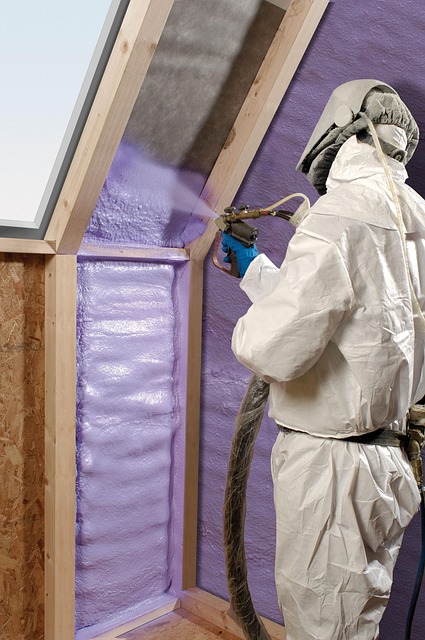
Start by assessing your heating and cooling systems. Is your thermostat programmed efficiently? Modern smart thermostats can learn your habits and optimize temperature settings, reducing energy usage without compromising comfort. For instance, setting your thermostat to 78°F in the summer and 68°F in the winter can lead to significant savings, as recommended by the U.S. Department of Energy. In addition, check for proper insulation in attics and walls, which is crucial for maintaining temperature control. A home energy audit may reveal areas where additional insulation or sealing of gaps can occur, significantly improving energy efficiency.
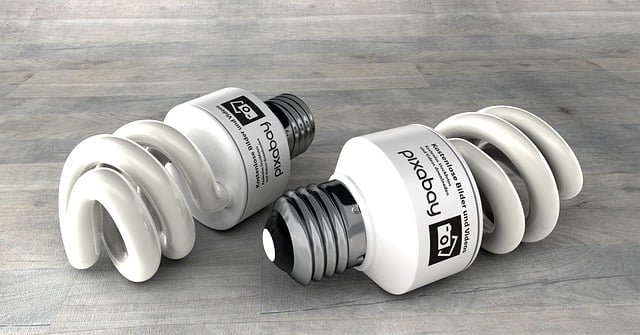
Moving to lighting, LED bulbs are a game-changer when it comes to energy conservation. They consume up to 75% less energy than incandescent bulbs and last much longer, reducing replacement costs. The Energy Department estimates that widespread adoption of LED lighting could save the average homeowner over $100 annually on electricity bills. When conducting your audit, check for both natural and artificial lighting. Proper window placement and treatments can maximize daylighting, reducing the need for electric lighting during the day. Moreover, consider the energy efficiency of appliances; modern models often come with energy-saving features that older appliances lack.
A comprehensive home energy audit involves examining every aspect of your living space, from windows and doors to plumbing and electronics. By identifying and addressing inefficiencies room by room, homeowners can target specific areas for improvement, ensuring a tailored approach to energy conservation—a key requirement for many financial institutions assessing home energy audit borrowers. This strategic approach not only benefits the environment but also provides long-term savings for homeowners.
Implementing Changes: Cost-Effective Solutions for Homeowners

A home energy audit is a powerful tool for homeowners looking to reduce their energy consumption and costs. By identifying areas where energy is wasted, an audit enables owners to make informed decisions about implementing cost-effective solutions. These changes not only benefit the environment but also provide significant financial savings over time. One of the key aspects of a successful audit is understanding the specific needs and requirements of your home, which often involves assessing factors like insulation, heating and cooling systems, lighting, and appliances.
Many homeowners are surprised to learn that simple, relatively inexpensive modifications can lead to substantial energy savings. For instance, replacing old incandescent light bulbs with LED counterparts can reduce energy usage for lighting by up to 80%. Similarly, upgrading to Energy Star-rated appliances or sealing air leaks around windows and doors can significantly curb heating and cooling costs. Home energy audit borrower requirements often include a comprehensive review of these areas, ensuring that the implemented solutions align with current energy efficiency standards. Data from the U.S. Department of Energy suggests that homes that undergo thorough energy audits and implement recommended improvements can save an average of 10-30% on their energy bills annually.
Practical advice for homeowners begins with a detailed audit, followed by prioritization of improvements based on both cost-effectiveness and impact. A professional home energy auditor can provide valuable insights tailored to your specific needs. After the initial audit, create a strategic plan that includes both short-term and long-term goals. Short-term goals might include swapping out light bulbs or adding weatherstripping around doors, while long-term objectives could involve installing a more efficient heating system or updating insulation. Regularly reviewing energy consumption data and making adjustments as needed ensures continuous improvement and maximum savings. By embracing these changes, homeowners not only contribute to sustainability but also enjoy the financial benefits that come with reduced energy costs.
Tracking Progress: Measuring Savings from Home Energy Audit

Tracking the progress and savings resulting from a home energy audit is a crucial step in ensuring the effectiveness of your energy efficiency efforts. This process allows homeowners to witness the tangible benefits of their investment in improving their home’s energy performance. By measuring the changes in energy consumption, borrowers can understand the real-world impact of the implemented audits.
Home energy audit borrower requirements often include regular monitoring and reporting of energy usage data. Smart thermostats and advanced metering infrastructure (AMI) devices are valuable tools for this purpose. These technologies provide detailed insights into energy patterns, enabling homeowners to identify areas of improvement and track savings over time. For instance, a study by the U.S. Department of Energy revealed that homes with smart thermostats saved an average of 10% on heating and cooling bills. Such data-driven evidence is essential for borrowers to justify the costs of energy audits and demonstrate their positive environmental impact.
Practical advice for tracking progress includes setting clear goals and establishing a baseline for energy consumption. Homeowners should record their utility bills before and after audit-recommended changes, comparing usage in similar periods annually. This approach allows for a comprehensive evaluation of the long-term savings achieved through home energy audits. Additionally, engaging with reputable energy consultancies or utilities providers who offer online portals for tracking energy data can streamline this process, making it easier to monitor and analyze energy efficiency gains.
By regularly assessing these metrics, borrowers can make informed decisions about further enhancements, prioritize energy conservation measures, and potentially reduce costs over the lifespan of their homes. This continuous improvement approach ensures that home energy audits remain a dynamic and effective strategy for sustainable living.
Continuous Improvement: Staying Energy-Aware After the Audit

After conducting a home energy audit, homeowners now possess a roadmap to improve their energy efficiency. However, continuous improvement is key to maximizing savings and environmental benefits. Staying energy-aware post-audit involves adopting a proactive mindset and implementing sustainable practices that become second nature.
One effective strategy is setting specific, measurable, achievable, relevant, and time-bound (SMART) goals. For instance, a homeowner might aim to reduce overall energy consumption by 15% within six months. This goal guides the implementation of targeted measures, such as upgrading insulation, installing energy-efficient appliances, or switching to LED lighting. Regularly monitoring utility bills helps track progress and adjust strategies as needed.
Home energy audit borrower requirements, like those from government initiatives or lenders, often emphasize long-term energy savings. By aligning personal goals with these requirements, homeowners can access financial incentives, grants, or low-interest loans that make energy-efficient upgrades more affordable. For example, many utilities offer rebates for replacing old heating systems or sealing air leaks, further incentivizing continuous improvement.
Community engagement and knowledge-sharing also play crucial roles. Local energy-savings programs, workshops, or online forums can provide valuable insights, success stories, and tips from fellow homeowners. Sharing experiences and best practices fosters a culture of energy awareness, encouraging continuous learning and adaptation. Ultimately, continuous improvement is a journey that begins with a home energy audit and evolves into a lifestyle committed to sustainability and resource conservation.