
Home energy consumption is a significant global concern, with rising costs and environmental impacts demanding efficient solutions. Many homeowners are unaware of the potential for optimization within their own spaces, leading to unnecessarily high energy bills and a larger carbon footprint. This comprehensive resource aims to demystify the process and empower homeowners by offering an in-depth guide to conducting a home energy audit. By understanding where energy is lost or misused, owners can make informed decisions to enhance energy efficiency, reduce costs, and contribute to a sustainable future.
Understanding Your Home's Energy Usage
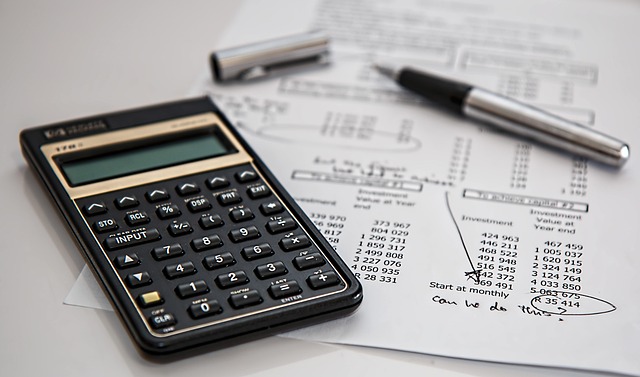
Understanding your home’s energy usage is a crucial step in optimizing its efficiency and reducing costs. A home energy audit provides an in-depth analysis of your property’s energy consumption patterns, identifying areas for improvement and potential savings. This process involves a comprehensive evaluation of heating and cooling systems, insulation, lighting, appliances, and other energy-related components. By conducting a thorough audit, homeowners can gain valuable insights into their energy use and make informed decisions to create a more sustainable living environment.
For borrowers considering home energy audits, it’s essential to understand the benefits and associated costs. Many financial institutions offer incentives or require these audits as part of loan agreements, especially for renewable energy projects or energy-efficient renovations. The audit process typically involves professional evaluators who use specialized tools and expertise to assess your home. They will provide a detailed report outlining current energy performance, identifying inefficiencies, and suggesting cost-effective upgrades tailored to your specific needs. For instance, data from the U.S. Department of Energy indicates that homes undergoing energy audits can achieve an average 20% reduction in energy consumption, resulting in significant long-term savings.
The home energy audit borrower requirements often include a comprehensive review of utility bills and a thorough inspection of the property’s energy infrastructure. Borrowers should be prepared to provide access to relevant areas and share historical energy data. This information enables evaluators to make accurate recommendations for improvements. For example, upgrading to energy-efficient appliances or LED lighting can significantly impact electricity bills. Additionally, proper insulation in attics and walls reduces heating and cooling loads, leading to lower energy costs over time. Implementing these changes not only benefits the environment but also translates into financial savings for homeowners.
Preparing for an Efficient Audit Process

Preparing for an efficient home energy audit is a crucial step in understanding your property’s energy consumption and identifying areas for improvement. This process involves both personal preparation and ensuring your home is ready for a thorough evaluation. Homeowners should view this as an opportunity to optimize their living space, reduce utility bills, and contribute to environmental sustainability.
Before the audit, conduct a preliminary assessment of your home’s energy usage patterns. Gather information on past energy consumption, such as utility bills from the past year. This data will provide valuable insights into your home’s energy performance and help you understand areas that require attention. Additionally, make a list of any specific concerns or goals related to energy efficiency. For example, identifying unusual temperature fluctuations in certain rooms can indicate issues with insulation or heating/cooling systems.
The home energy audit borrower requirements should be at the forefront of your preparation. Many financing options and incentives are available for homeowners looking to improve their property’s energy efficiency. Understanding these requirements early allows you to ensure all necessary documentation is ready, streamlining the process and potentially securing better terms for your energy-saving upgrades. It’s essential to check with local utility providers, government agencies, or community organizations that offer grants, loans, or rebates for energy audits and retrofits.
Practical steps include sealing gaps around windows and doors, ensuring adequate insulation in attics and crawl spaces, and checking the efficiency of your heating and cooling systems. These actions not only prepare your home for a more accurate audit but also deliver immediate benefits in terms of comfort and cost savings. By taking proactive measures, homeowners can expect a comprehensive understanding of their property’s energy dynamics during the audit, enabling them to make informed decisions about future improvements.
Conducting a Room-by-Room Assessment
Conducting a room-by-room assessment is a critical component of any thorough home energy audit, allowing experts to identify specific areas where energy efficiency can be improved. This methodical process involves scrutinizing each space in your home, from attics to basements, to pinpoint potential energy losses and inefficiencies. During this assessment, auditors look for common culprits like inadequate insulation, poorly sealed windows, and outdated appliances—all of which contribute to elevated energy bills and comfort issues. For instance, according to the U.S. Department of Energy, a well-insulated attic can save homeowners up to 10% on their heating and cooling costs.
The room-by-room approach ensures that no stone is left unturned in the quest for energy savings. Auditors typically start with an visual inspection, noting any obvious signs of damage or poor maintenance. This is followed by a detailed examination of the room’s features: checking wall, ceiling, and floor insulation levels; inspecting door and window frames for proper sealing; and evaluating heating, ventilation, and air conditioning (HVAC) systems for efficiency. For example, an energy auditor might discover that a poorly sealed window allows cold air to seep in during winter, leading to higher heating bills.
A key aspect of this assessment is the documentation and communication of findings. Homeowners should receive a clear, concise report outlining observed inefficiencies and offering actionable recommendations tailored to their specific needs. This report becomes a roadmap for prioritizing energy-saving measures, often aligned with home energy audit borrower requirements. By addressing these issues, homeowners can not only reduce energy consumption but also benefit from lower utility bills and increased comfort year-round.
Uncovering Energy-Wasting Areas

A home energy audit is a detailed process designed to uncover areas where a home is losing energy efficiency, allowing homeowners to make informed decisions about improvements. This comprehensive evaluation goes beyond superficial inspections by providing data-driven insights into the building’s performance. Through a meticulous analysis of utility bills, physical assessments, and advanced diagnostic tools, experts identify specific points of energy loss and offer tailored solutions for optimization. By conducting a home energy audit, borrowers can gain a clear understanding of their property’s energy consumption patterns and make strategic upgrades to reduce costs and environmental impact.
During an audit, professionals examine various aspects such as insulation, air sealing, heating and cooling systems, lighting, and appliances. For example, inadequate insulation in attics or walls can lead to significant heat loss during winter and heat gain in summer. Auditors may recommend adding or upgrading insulation materials to create a more energy-efficient barrier against temperature extremes. Similarly, air leaks around doors, windows, and plumbing fixtures are common issues that contribute to energy waste. Fixing these gaps through sealing techniques not only improves efficiency but also prevents the infiltration of pollutants and pests.
Homeowners should be aware that a home energy audit borrower requirements extend beyond the initial assessment. Following the audit, borrowers are often provided with a detailed report outlining recommended improvements and their potential benefits. This report serves as a roadmap for prioritizing energy-saving measures. Implementing these upgrades can lead to substantial long-term savings on utility bills, enhancing the comfort of the occupants while promoting sustainability. By embracing the insights gained from a thorough home energy audit, borrowers take a significant step towards making their homes more environmentally friendly and cost-effective.
Implementing Cost-Effective Solutions
A home energy audit is a powerful tool for homeowners to gain insights into their property’s energy efficiency and identify areas for improvement. By conducting a thorough evaluation, residents can uncover significant opportunities to reduce energy consumption, lower utility bills, and contribute to environmental sustainability. This process involves an expert assessment of various systems and habits within the house, offering tailored recommendations for cost-effective solutions. One key aspect often overlooked is how a home energy audit aligns with borrower requirements, making it a strategic step for those seeking financing or wishing to enhance their property’s value.
Many financial institutions and lending programs now prioritize energy-efficient homes due to their long-term benefits. Homeowners considering renovations or purchasing a new property should be aware that lenders may require a home energy audit as part of the application process. This is particularly relevant for borrowers seeking government-backed loans, where energy efficiency criteria play a significant role in approval and interest rates. For instance, the U.S. Department of Energy’s Home Energy Audit program offers grants and low-interest loans to encourage residents to make their homes more energy-efficient, directly addressing borrower requirements. By proactively conducting an audit, homeowners can demonstrate their commitment to sustainability, potentially improving their loan terms and increasing property value over time.
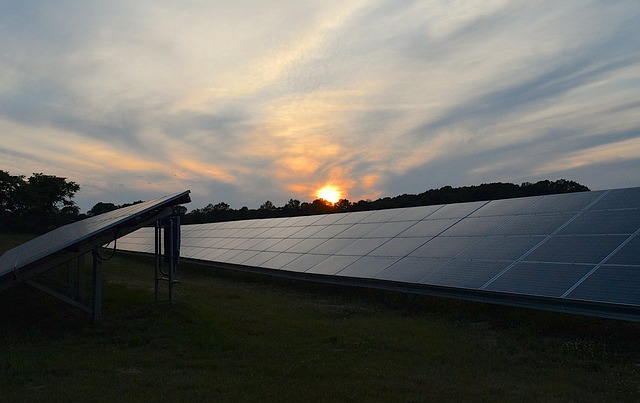
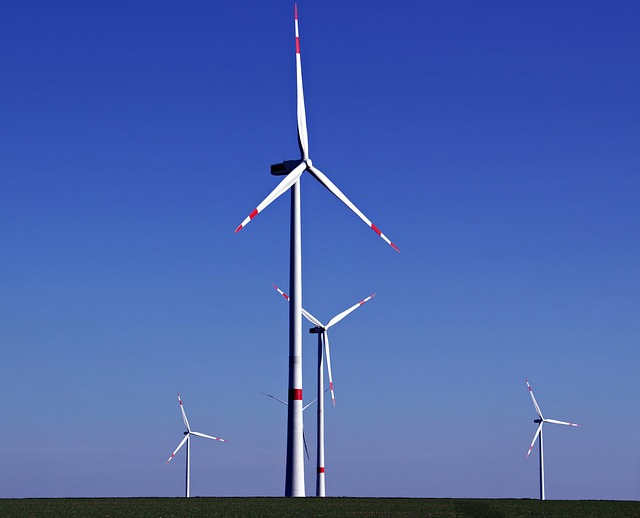
During a home energy audit, professionals assess heating and cooling systems, insulation, air sealing, lighting, appliances, and even behavioral patterns. Using advanced tools and techniques, they identify inefficiencies and provide a comprehensive report with actionable recommendations. For example, simple upgrades like programmable thermostats and LED bulbs can result in substantial energy savings. In some cases, more significant investments in renewable technologies like solar panels or heat pumps may be suggested, offering long-term cost savings and environmental benefits. Homeowners should view these solutions not just as expenses but as strategic investments that can pay off over the lifecycle of their property. By understanding the specific needs and potential of their home through a detailed energy audit, borrowers can make informed decisions aligned with their financial goals and environmental aspirations.
Tracking Progress and Saving on Utilities

A home energy audit is a powerful tool for homeowners looking to reduce energy consumption and save on utilities. By identifying areas where energy is wasted, an audit provides a roadmap for implementing cost-saving measures. This process involves a thorough examination of your home’s insulation, heating and cooling systems, lighting, appliances, and other energy-related features. The data collected during an audit serves as a foundation for prioritizing improvements that align with your budget and energy goals.
Tracking progress is a crucial component of leveraging your home energy audit to save on utilities. Setting specific, measurable goals based on the findings can help you stay motivated and focused. For instance, if your audit reveals inadequate insulation in the attic, setting a target to add blow-in insulation could lead to significant energy savings. Homeowners should also monitor their utility bills over time to track the impact of their improvements. According to the U.S. Department of Energy, homes that undergo energy audits and implement recommended measures can save an average of 5-30% on their energy bills.
Home energy audit borrower requirements play a significant role in the overall process. Lenders and mortgage servicers increasingly offer programs designed to incentivize energy-efficient upgrades through low-interest loans or grants. These programs not only help homeowners fund necessary improvements but also contribute to broader environmental goals. By incorporating these incentives into your energy-saving strategy, you can enhance your home’s value while enjoying lower utility costs. It’s essential to communicate with your lender about available options and understand the specific requirements for qualifying for such financial support.
Regularly reassessing your home’s energy performance is key to sustained savings. Ongoing monitoring allows you to identify new areas of improvement and adapt to changing circumstances, such as the growing season or shifts in family routines. Incorporating smart home technology can simplify this process by providing real-time data on energy usage patterns. For example, smart thermostats learn your preferences and adjust settings automatically, further optimizing your energy consumption. As you continue to refine your approach, remember that small changes can lead to substantial long-term savings, making your home more comfortable and environmentally friendly.