
A home energy audit provides a detailed assessment of a dwelling's energy performance across heating, cooling, insulation, lighting, and appliances. Professionals use advanced tools to identify leaks and inefficiencies, offering actionable recommendations for upgrades that reduce energy bills by 20-30%. Regular audits are crucial for significant energy savings, property efficiency, and meeting borrower requirements for mortgages. Key insights include prioritizing high-impact improvements, adhering to industry best practices, and regular maintenance for sustained efficiency gains.
In today’s quest for sustainability and cost savings, a home energy audit stands as a powerful tool for property owners. With energy costs on the rise, understanding and optimizing your home’s energy usage is more crucial than ever. However, many homeowners are unaware of how to begin this process, leading to inefficient homes and missed opportunities for significant savings. This article serves as your comprehensive guide to navigating the world of home energy audits, empowering you with the knowledge to make informed decisions and transform your living space into an energy-efficient oasis. By the end, you’ll be equipped to unlock your home’s full potential.
Understanding Home Energy Audit: Why It Matters
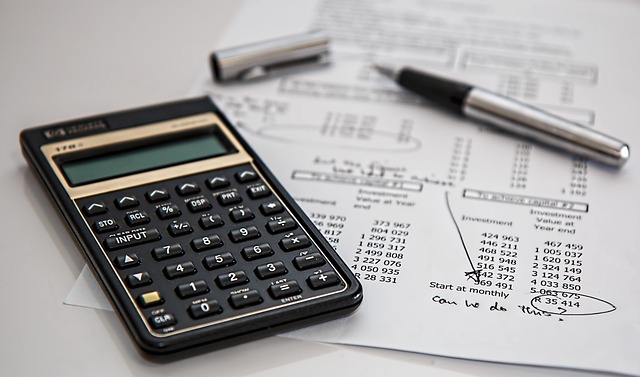
A home energy audit is more than just checking your utility bills; it’s a comprehensive assessment designed to help property owners understand their home’s energy performance. This process involves an expert inspection of your dwelling’s heating, cooling, insulation, lighting, and other energy-using systems. By conducting a thorough home energy audit, you gain valuable insights into areas where energy efficiency can be improved, which has significant benefits for both the environment and your wallet.
The importance of a home energy audit cannot be overstated, especially in today’s world where energy costs continue to rise. It serves as a crucial tool for homeowners seeking to reduce their carbon footprint and save on energy expenses. Moreover, many financial institutions now require a home energy audit report for borrowers looking to refinance or take out a new mortgage, underscoring its relevance in the real estate sector. For instance, data from the U.S. Department of Energy shows that homes with proper insulation and efficient appliances can reduce energy bills by 20-30%.
During an audit, professionals employ various methods, including thermal imaging cameras and energy modeling software, to identify leaks and inefficiencies. They will assess your home’s envelope—walls, roofs, floors, and windows—as well as its heating and cooling systems. This detailed analysis enables homeowners to make informed decisions about upgrades, from sealing air leaks to installing more efficient appliances. By prioritizing these improvements, property owners can enhance their homes’ energy efficiency, comfort, and resale value.
Preparing for Your Home Energy Audit Process

Preparing for your home energy audit is a crucial step towards achieving significant energy savings and enhancing the efficiency of your property. This process involves a systematic evaluation of your home’s energy consumption patterns and areas where improvements can be made. Understanding what to expect during the audit and how to prepare will ensure a smooth transition towards a more energy-efficient living space.
A comprehensive home energy audit typically begins with an assessment of your home’s insulation, heating and cooling systems, lighting, appliances, and overall structural integrity. Auditors will inspect these elements for any inefficiencies or areas of concern that could contribute to higher energy bills. For instance, they might check for drafts around windows and doors, assess the functionality of your thermostat, and evaluate the condition of your insulation in attics and walls. It’s essential to cooperate fully during this process, allowing access to all areas as required by professional auditors following industry standards.
Prior to the audit, gather relevant information about your home energy usage, including past utility bills. This data can provide a baseline for comparison and help auditors identify anomalies or areas of concern more efficiently. Additionally, consider making basic improvements before the audit, such as sealing gaps around windows and doors or replacing old incandescent bulbs with LED lights. These preliminary steps demonstrate your commitment to energy efficiency and may result in more actionable recommendations from the auditor. Remember that a home energy audit borrower requirements often include specific criteria for minimizing energy waste, and being proactive can align your property with these expectations.
Conducting an Efficient Home Energy Audit
Conducting an efficient home energy audit is a crucial step for property owners looking to optimize their energy consumption and reduce costs. This process involves a thorough examination of your home’s energy systems, identifying areas of inefficiency, and developing actionable strategies for improvement. A well-conducted home energy audit not only helps you make informed decisions about retrofits but can also be a requirement for certain loan programs designed to support energy efficiency upgrades.
The first step is gathering detailed information about your home’s current energy usage. This includes reviewing utility bills, checking the age and type of appliances and heating/cooling systems, and even inspecting insulation levels. Advanced technologies like smart meters can provide granular data on energy consumption patterns, enabling auditors to pinpoint specific problem areas. For instance, a study by the U.S. Department of Energy found that homes with modern, high-efficiency appliances used 15-30% less energy than those with older models. This data is instrumental in guiding priority areas for audit recommendations.
During the physical audit, professionals will conduct on-site assessments to verify findings from initial data collection. They’ll check for air leaks, assess window and door sealing, test heating and cooling systems, and evaluate lighting fixtures. For example, a simple $50 investment in caulk or weatherstripping can seal gaps, preventing up to 10% of heat loss in the winter. Home energy audit borrower requirements often mandate these detailed inspections to ensure that any proposed upgrades are both necessary and cost-effective. Implementing recommendations based on these audits can lead to significant energy savings, reducing your carbon footprint and lowering utility bills.
Analyzing Results: Unlocking Energy Savings

After conducting a home energy audit, the next crucial step is analyzing the results to unlock significant energy savings potential. This analysis involves meticulously reviewing the data collected during the audit to identify areas of inefficiency and high energy consumption. It’s important to note that many homeowners are surprised by the insights that emerge from this process, revealing hidden energy guzzlers they never suspected.
For instance, an audit might reveal that a poorly insulated attic is causing significant heat loss in winter or excessive gain in summer, leading to higher utility bills. Similarly, outdated appliances could be consuming more energy than necessary, with simple replacements offering substantial savings over time. In some cases, an audit may pinpoint leaky windows or doors as the culprit behind inconsistent temperatures and drafty conditions.
Upon identifying these issues, property owners can prioritize their home energy audit borrower requirements effectively. Prioritizing improvements based on potential return on investment (ROI) is a strategic approach that ensures money is well-spent. According to recent studies, homeowners who implement recommended measures from a home energy audit can expect an average energy savings of 15-30%. To maximize these savings, focus on both low-cost, high-impact fixes and more significant upgrades over time.
Actionable advice includes setting up smart thermostats to optimize heating and cooling systems, sealing gaps around windows and doors, and upgrading to ENERGY STAR® certified appliances. For those with a larger budget, investing in renewable energy sources like solar panels or heat pumps can further reduce energy costs and contribute to environmental sustainability. Remember, a well-planned home energy audit is not just about saving money; it’s about making your living space more comfortable, efficient, and sustainable.
Implementing Changes: A Step-by-Step Guide
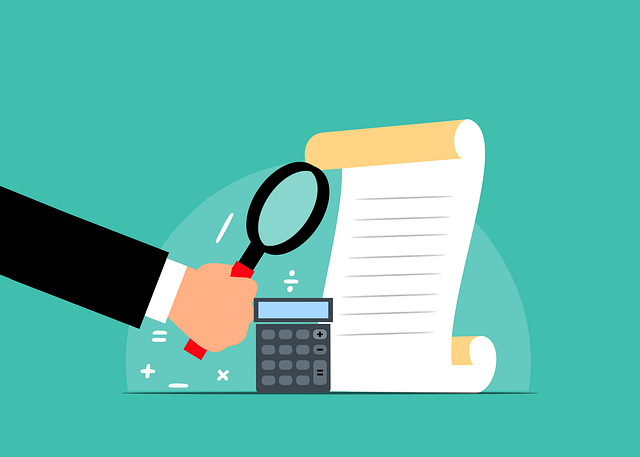
A home energy audit is a powerful tool for property owners to gain insights into their home’s energy performance, identify inefficiencies, and make informed decisions to enhance energy conservation. Implementing changes based on the findings of a comprehensive audit can lead to significant cost savings, increased comfort, and environmental benefits. This step-by-step guide aims to empower homeowners with actionable strategies to transform their homes into more energy-efficient habitats.
Start by reviewing the home energy audit report thoroughly, noting areas that require attention. Prioritize issues based on impact and feasibility; for instance, sealing air leaks in attics or walls might be a quicker win compared to complex system upgrades. Many borrowers seeking financing for energy-efficient retrofits can rely on home energy audit borrower requirements outlined by various programs, ensuring that proposed changes align with specific criteria. Engage qualified professionals for tasks like insulation installation or HVAC upgrades, ensuring they follow industry best practices and local building codes.
Next, consider behavioral changes alongside physical modifications. Simple habits such as using smart thermostats, programming heating and cooling systems efficiently, and adopting energy-conscious routines can substantially influence energy consumption. For instance, setting the thermostat to a few degrees lower in winter or higher in summer when occupied saves energy without compromising comfort. Homeowners should also explore options like switching to LED lighting and utilizing natural daylight effectively. These simple steps complement more substantial changes, making them an integral part of any comprehensive strategy for optimizing home energy audit results.
Regular maintenance is crucial for sustaining energy efficiency gains. Create a schedule for inspecting and replacing air filters, sealing gaps around windows and doors, and ensuring proper insulation in attics and crawl spaces. Regular care not only maintains system performance but also prolongs the lifespan of energy-efficient upgrades, ensuring borrowers maximize their investment and continue reaping the benefits of their home energy audit efforts.
Continuous Improvement: Tracking Energy Efficiency

A home energy audit is an essential tool for property owners looking to optimize their energy efficiency. Continuous improvement in this area not only reduces utility bills but also contributes to a more sustainable living environment. By conducting regular audits, homeowners can identify areas of energy waste and implement targeted solutions to significantly enhance the energy performance of their homes. This process involves comprehensive assessments of heating and cooling systems, insulation, lighting, appliances, and other energy-consuming devices.
One of the key aspects of tracking energy efficiency is understanding the specific requirements set by home energy audit borrower guidelines. These guidelines, often mandated by financial institutions or government programs, provide a framework for assessing a home’s energy performance. They include detailed checklists covering various components of a home’s energy system. For instance, borrowers might be required to ensure their heating systems have an Annual Fuel Utilization Efficiency (AFUE) rating of at least 80%, or that their insulation meets specific R-value standards. Meeting these requirements not only facilitates access to energy-efficient financing but also ensures the audit provides an accurate picture of a home’s energy potential.
Data from recent studies shows that homes with thorough energy audits and subsequent improvements can reduce energy consumption by up to 30%. This translates into substantial savings for homeowners over time. For example, a 2019 report by the U.S. Department of Energy found that households implementing recommended energy-saving measures saw an average annual energy bill reduction of $348. To facilitate continuous improvement, property owners should consider creating a tailored action plan based on audit findings. This plan should prioritize cost-effective solutions and include regular monitoring to track progress and identify new opportunities for enhancing energy efficiency.