
A home energy audit offers a strategic approach to enhancing residential energy efficiency. By evaluating insulation, heating/cooling systems, lighting, and appliances, audits identify areas for savings up to 30%. These findings align with mortgage lender requirements and qualify homeowners for government incentives. Key benefits include reduced utility bills, cost-effective upgrades, and informed borrowing decisions. Prioritize high-ROI strategies like LED lighting (75% less energy, 25x longer lifespan) for significant comfort improvements and reduced carbon footprints.
In today’s world, understanding and optimizing home energy usage is not just an environmental imperative but also a savvy financial decision for homeowners. As energy costs continue to rise, a home energy audit stands out as a powerful tool for identifying areas of inefficiency and potential savings. This comprehensive guide aims to demystify the process, offering a clear, practical resource for both seasoned professionals and those new to the concept. We’ll explore how a thorough home energy audit can reveal hidden opportunities for enhancing comfort, reducing utility bills, and contributing to a more sustainable future.
Understanding Home Energy Audit: Importance & Benefits
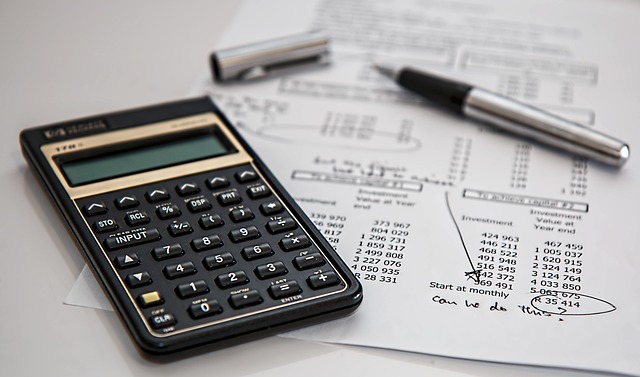
A home energy audit is a crucial process that enables homeowners and real estate professionals to assess a property’s energy efficiency, identify areas for improvement, and make informed decisions to reduce energy consumption and costs. This comprehensive evaluation goes beyond a simple energy bill analysis; it provides an in-depth look at the entire energy spectrum within a home, from heating and cooling systems to insulation and lighting. By understanding the significance and advantages of these audits, borrowers and lenders can better navigate the real estate market with informed financial strategies.
The primary benefit lies in its ability to uncover significant energy wastage and inefficiencies. Many homes contain hidden energy guzzlers—old appliances, faulty insulation, or outdated HVAC systems. An audit reveals these problem areas, allowing for targeted upgrades. For instance, a study by the U.S. Department of Energy found that homes with proper insulation and efficient appliances can save up to 30% on heating and cooling costs annually. Such insights are invaluable for borrowers aiming to reduce long-term living expenses, especially in regions with extreme climates. Additionally, these audits often qualify homeowners for government incentives, grants, or tax credits, further enhancing the financial benefits.
Home energy audit borrower requirements are designed to ensure accurate assessments and promote responsible borrowing. Lenders typically mandate these audits before approving certain types of mortgages, particularly those with low-interest rates or energy-efficient home features. This requirement not only safeguards lenders but also encourages borrowers to make sustainable choices. By adhering to these guidelines, borrowers can access more favorable loan terms while contributing to a greener future. Moreover, understanding the audit process empowers homeowners to negotiate better prices during real estate transactions and make informed investments in their properties.
Preparing for Your Energy Efficiency Assessment

Preparing for a home energy audit is a crucial step in understanding your property’s energy efficiency and identifying areas for improvement. This process involves gathering relevant information, making necessary preparations, and ensuring your home is ready for an accurate assessment. One of the primary goals is to provide comprehensive data that meets borrower requirements for mortgage lenders, as many are now incorporating energy efficiency into their loan evaluation criteria.
Before the auditor arrives, it’s essential to gather documentation related to your home’s systems, such as heating and cooling equipment, insulation details, and any prior energy efficiency upgrades. This includes utility bills from the past year, which offer valuable insights into energy consumption patterns. Additionally, creating a detailed inventory of appliances and lighting fixtures can be beneficial, especially when comparing energy usage over time. Some lenders require specific disclosures regarding home energy features, so familiarize yourself with these requirements to ensure compliance. For instance, disclosing the presence of solar panels or energy-efficient windows is standard practice.
Furthermore, make sure your home is clean and organized for the auditor’s visit. Cluttered spaces can hinder access to essential areas for inspection, like attics, basements, and crawl spaces. These areas often reveal significant energy savings opportunities through proper insulation and sealing of gaps. On the day of the audit, cooperate fully with the professional evaluator by answering any questions honestly and providing them with complete access to your property. By preparing in these ways, you’ll ensure a thorough home energy audit that adheres to borrower requirements and paves the way for informed energy-saving decisions.
Conducting a Room-by-Room Audit: A Step-by-Step Guide

Conducting a room-by-room audit is a critical component of a comprehensive home energy assessment, offering homeowners and real estate professionals a detailed understanding of energy usage patterns and potential inefficiencies. This step-by-step guide aims to equip you with the knowledge to undertake such an evaluation effectively. Begin by assessing each room’s unique characteristics: identify heating/cooling systems, check for insulation quality, and examine windows and doors for air leakage. In the kitchen, pay close attention to appliances—a modern, energy-efficient refrigerator can significantly impact your utility bills. Similarly, in bedrooms, focus on lighting and the potential for natural light substitution to reduce electricity usage.
A key aspect of a home energy audit involves analyzing electrical systems. Check for outdated wiring, as it may lead to increased energy consumption and safety hazards. Modern smart meters provide valuable data on energy usage patterns; compare these against your actual utility bills to pinpoint anomalies. The bathroom presents unique challenges, primarily related to water heating—a significant energy consumer. Efficient showerheads and tankless water heaters can yield substantial savings.
As you progress through the home, consider the overall energy performance context. According to recent studies, a typical US household spends around $2,000 annually on energy bills. A well-conducted room-by-room audit enables borrowers to identify areas for improvement, potentially qualifying them for lower-interest loans and tax incentives related to home energy audits—a strategic move toward energy efficiency and long-term cost savings. Remember, the goal is not just to reduce utility expenses but also to enhance the comfort and value of your home.
Interpreting Results: Identifying Areas for Improvement

Interpreting the results of a home energy audit is a crucial step in understanding your property’s energy efficiency and identifying areas for improvement. This process involves meticulously reviewing the data collected during the audit to pinpoint specific inefficiencies within the home. By examining utility bills, conducting inspections, and utilizing advanced diagnostic tools, professionals can offer tailored recommendations. For instance, an audit might reveal that a home’s outdated insulation is leading to significant heat loss, or that inefficient lighting systems contribute to high electricity costs.
Once these issues are identified, the next step is prioritizing them based on both their impact on energy consumption and cost-effectiveness of remediation. Home energy audit borrower requirements often emphasize addressing the most significant energy wasters first, as this can lead to substantial long-term savings. For example, replacing old appliances with Energy Star-rated models or upgrading to a more efficient heating and cooling system can yield immediate returns. According to recent studies, homes that undergo comprehensive energy audits and implement recommended improvements can reduce energy consumption by 20-30%, leading to significant cost savings for borrowers over time.
The process also involves providing homeowners with actionable insights and resources. This includes offering guidance on financing options, such as low-interest loans or rebates, to make these upgrades more affordable. By empowering borrowers with knowledge, they can make informed decisions about their home’s energy efficiency, ensuring a brighter, greener future while also enhancing the property’s value. Effective communication of audit findings is key to helping homeowners understand their unique situation and take proactive measures.
Implementing Changes: Enhancing Your Home's Energy Performance
A home energy audit is a powerful tool for homeowners looking to improve their residence’s energy efficiency. Beyond simply identifying areas of potential savings, it offers a roadmap for implementing changes that enhance your home’s energy performance. This process involves a thorough evaluation of your home’s insulation, heating and cooling systems, lighting, and appliances—all critical components in determining energy consumption. Following a comprehensive audit, homeowners gain valuable insights into which updates will deliver the most significant returns on investment, whether it’s through reduced utility bills or increased property value.
One of the primary benefits of conducting a home energy audit is that it aligns with borrower requirements for many financing options. Lenders increasingly recognize the importance of energy-efficient homes, offering incentives and favorable terms to borrowers who undertake audits and implement recommended changes. For example, certain government programs provide rebates or low-interest loans specifically designed to offset the costs associated with making a home more energy-efficient. These financial benefits can make the audit process even more attractive for homeowners looking to improve their living situations while also boosting their investment’s long-term value.
When implementing changes based on your home energy audit findings, prioritize strategies that offer the highest return on investment (ROI). This might include upgrading to energy-efficient appliances, enhancing insulation in attics and walls, or switching to LED lighting. For instance, according to recent data from the U.S. Department of Energy, LED light bulbs use 75% less energy than incandescent bulbs and last up to 25 times longer. Such updates not only contribute to lower utility costs but also significantly reduce your carbon footprint. Additionally, consider the cumulative effect of multiple small changes—just as a symphony is composed of many individual notes, creating a more comfortable living environment involves layering numerous energy-saving measures.