
A home energy audit analyzes heating, cooling, lighting, appliances, and behavior to identify inefficiencies. Using advanced tools, auditors document physical attributes and provide recommendations like upgrading appliances, improving insulation, or installing smart thermostats. This process leads to long-term energy savings, reduces utility expenses, and enhances property value. Post-audit, homeowners can strategically implement cost-effective energy efficiency measures to optimize consumption and environmental impact.
With energy costs rising and environmental concerns growing, understanding your home’s energy usage is more crucial than ever. A home energy audit offers a detailed, structured approach to identifying areas of improvement in your living space, enabling you to reduce consumption, lower bills, and contribute to sustainability. This comprehensive guide will demystify the process, equipping consumers with the knowledge to navigate and interpret results from a professional home energy audit. By the end, you’ll be empowered to make informed decisions for a more efficient and eco-friendly home.
Understanding Your Home's Energy Consumption
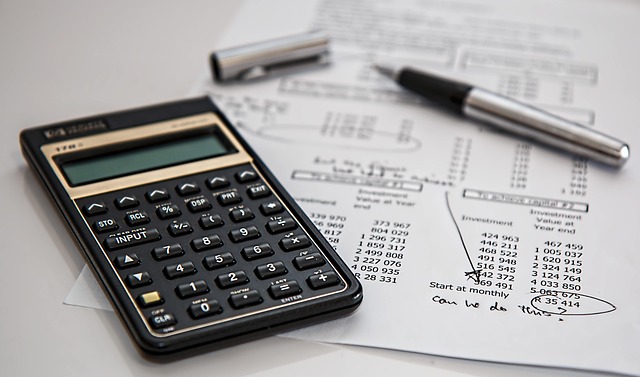
Understanding your home’s energy consumption is a crucial step in any comprehensive home energy audit. This involves a meticulous examination of various factors that contribute to your energy bills. By analyzing patterns of energy use, you can identify areas for improvement and make informed decisions about cost-saving measures. For instance, monitoring heating and cooling systems, lighting, appliances, and even behavioral habits within the household can reveal significant inefficiencies. Recent data suggests that up to 30% of a home’s energy usage can be attributed to inefficient appliances and poor insulation, highlighting the potential for substantial savings through targeted upgrades.
A home energy audit borrower requirements often include a detailed assessment of these very aspects. Auditors will meticulously document current energy consumption levels, using advanced tools to track usage patterns over time. This process involves more than just taking meter readings; it encompasses a comprehensive review of your home’s physical attributes and habits of its occupants. For example, an auditor might check for air leaks around windows and doors, assess the condition of insulation in attics and walls, and even recommend adjustments to daily routines to reduce energy wastage.
Actionable advice flows from this in-depth analysis. Depending on the findings, recommendations may include upgrading to more energy-efficient appliances, improving insulation to reduce heating/cooling loads, or installing smart thermostats for better temperature control. Implementing these measures can lead to substantial long-term savings on energy bills, making the initial investment worthwhile. Moreover, understanding your home’s energy consumption patterns equips you to make informed choices about renewable energy systems, such as solar panels, which can further reduce your carbon footprint and energy costs.
Conducting a Comprehensive Home Energy Audit
Conducting a comprehensive home energy audit is a crucial step for homeowners looking to reduce energy consumption, lower utility bills, and contribute to environmental sustainability. This detailed process involves a systematic evaluation of your home’s energy performance, identifying areas where improvements can be made. A well-conducted audit provides insights into the specific measures that are most effective in reducing energy use, thereby guiding informed decisions about home retrofits or upgrades.
The first step in a comprehensive home energy audit is an extensive inspection, which typically includes thermographic imaging to visualize heat flow and potential air leaks. Energy auditors also carefully examine the building’s envelope—including walls, floors, and windows—to identify weaknesses. For instance, poorly sealed windows can account for significant heat loss during winter or gain during summer. Auditors assess heating and cooling systems, checking for efficiency levels and proper functionality. They may recommend upgrading old, inefficient appliances or HVAC units to energy-saving models that align with current borrower requirements for home energy audits.
Data collection is a vital component of the audit process. Auditors use specialized tools to measure indoor air quality, humidity levels, and temperature variations throughout the home. This data is cross-referenced with utility bills to calculate energy consumption patterns and identify anomalies. By understanding these trends, homeowners can pinpoint problem areas and make targeted improvements that will have the greatest impact on energy efficiency. For example, a study found that homes that invest in proper insulation and air sealing can reduce energy use by 20%–30%, leading to substantial cost savings for borrowers who conduct home energy audits.
Once the audit is complete, a detailed report is provided, outlining specific recommendations tailored to the home’s unique characteristics. This report serves as a roadmap for implementing energy-saving measures, often focusing on cost-effective solutions that can be addressed in phases. Homeowners should remember that while the primary goal of an energy audit is to improve efficiency and reduce costs, it also plays a critical role in meeting borrower requirements for home financing and maintaining or improving a property’s value over time.
Implementing Energy Efficiency Strategies Post-Audit

Post-home energy audit, consumers armed with insights can now strategically implement energy efficiency strategies to reduce their energy consumption and utility bills. This involves prioritizing areas identified as high-impact during the audit—such as outdated appliances, inefficient heating or cooling systems, or excessive lighting usage. For instance, replacing old furnaces with ENERGY STAR® certified models can lead to significant savings, as per the U.S. Department of Energy, reducing energy use by up to 50%. Similarly, LED light bulbs are a simple yet effective measure; they use around 75% less energy than incandescent bulbs and last 25 times longer.
Another crucial strategy is to leverage government incentives and programs designed to encourage energy efficiency. Many regions offer tax credits or rebates for installing energy-efficient appliances, insulation, or solar panels—all of which can be discovered through a thorough review of local home energy audit borrower requirements. These financial incentives significantly offset the initial costs of implementing energy-saving measures, making long-term savings more attainable. For example, the federal Residential Energy Efficiency Tax Credit provides tax advantages for specific energy-efficient home improvements, further incentivizing consumers to take action.
Moreover, creating a customized energy management plan is essential. This involves setting realistic goals, tracking progress, and continuously monitoring energy usage. Smart thermostats, for instance, allow users to program heating and cooling schedules, resulting in substantial energy savings without sacrificing comfort. By combining these strategies, homeowners can achieve significant energy efficiency improvements post-audit, contributing to a reduced environmental footprint and long-term financial savings.