
A home energy audit provides a strategic roadmap for homeowners to optimize energy efficiency, reduce utility bills by 20-30%, and enhance property value. It involves a combination of analyzing utility data, physical inspections, and specialized tools to identify areas for improvement such as air leaks, inadequate insulation, and outdated appliances. Room-by-room audits pinpoint specific upgrades like better heating/cooling settings, efficient lighting, and appliance replacements. Interpretive reports detail savings potential and environmental benefits, aligning with lender preferences for energy efficiency. Implementing audit recommendations, including immediate fixes and substantial upgrades, leads to long-term financial savings and reduced carbon footprints.
In today’s world, homeowners are increasingly looking for ways to optimize their energy consumption and reduce costs. A home energy audit stands out as a powerful tool for achieving these goals by identifying areas where energy is wasted and providing actionable recommendations for improvement. As the demand for sustainable living grows, understanding how to conduct a thorough and comprehensive home energy audit becomes essential for both environmental conservation and financial savings. This article offers an authoritative guide, equipping homeowners with the knowledge and steps needed to undertake their own audits and make informed decisions about energy efficiency.
Understanding Your Home's Energy Use: The First Step
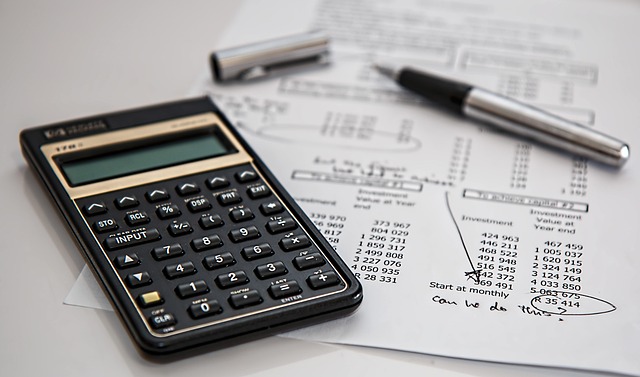
Understanding your home’s energy use is the foundational step in any home energy audit process. This initial phase involves a thorough assessment of your property’s energy consumption patterns, which provides invaluable insights for implementing targeted improvements. A comprehensive home energy audit requires borrowers to track and analyze their energy bills, identifying areas where inefficiencies may exist. For instance, a close examination of heating and cooling costs can reveal opportunities for optimization. According to the U.S. Department of Energy, homes that undergo energy audits often identify 20-30% potential energy savings, showcasing the significant benefits of this initial step.
Borrowers should also conduct a physical inspection, looking for signs of air leaks around windows and doors, inadequate insulation, or outdated appliances. These visual cues can point to areas needing attention during a more detailed audit. Home energy audit borrower requirements typically involve providing access to these critical spaces for professionals to conduct thorough assessments using specialized tools. For example, a thermal imaging camera can detect heat loss in hard-to-reach places, while power monitors help identify energy-draining devices.
By combining self-assessment and professional tools, homeowners gain a holistic understanding of their home’s energy performance. This knowledge equips them to make informed decisions about upgrades, ensuring that investments align with actual needs revealed through the home energy audit process. Moreover, understanding these patterns enables borrowers to set realistic goals for energy conservation, contributing to long-term cost savings and environmental sustainability.
Conducting a Room-by-Room Audit: Uncovering Inefficiencies
Conducting a room-by-room audit is a critical component of any comprehensive home energy audit, allowing borrowers and homeowners to uncover specific inefficiencies that could be costing them money. Each room in your home has unique energy needs and potential for savings. During this phase, you’ll assess heating, cooling, lighting, and appliance usage patterns, as well as insulation and air sealing measures. Start by examining the temperature settings on thermostats; many homes are set to a standard 72°F, but adjustments could save up to 10% on heating and cooling bills. In bedrooms, for example, setting the thermostat to 68°F in winter can achieve significant energy savings without compromising comfort.
Move on to checking window and door sealing. Even well-insulated homes can suffer from drafts around windows and doors, leading to a loss of heated or cooled air. Sealant materials like caulk and weatherstripping can prevent these leaks, improving your home’s energy efficiency. Check for outdated or inefficient appliances, such as refrigerators and washing machines. Not only do newer models offer better performance, but they also consume less energy, translating to lower utility bills over time. A simple comparison of energy ratings on replacement appliances can yield substantial long-term savings.
The kitchen and bathroom are other areas where significant energy improvements can be made. Consider upgrading to energy-efficient lighting fixtures, such as LED bulbs, which use up to 80% less energy than traditional incandescent lights. In addition, proper insulation in walls, attics, and crawl spaces is essential for maintaining comfortable indoor temperatures while reducing heating and cooling costs. Home energy audit borrower requirements often emphasize these areas due to their potential impact on overall energy efficiency. By addressing these room-by-room inefficiencies, you’ll not only lower your utility bills but also enhance the comfort and value of your home.
Interpreting Results: Identifying Areas for Improvement

Interpreting the results of your home energy audit is a crucial step in understanding where you can improve efficiency and reduce energy costs. This process involves reviewing detailed reports that highlight energy consumption patterns, potential inefficiencies, and recommended actions tailored to your specific home. Each finding should be evaluated based on its impact on energy savings, cost-effectiveness, and overall environmental benefits.
For example, an audit might reveal that your heating system is outdated and operates less efficiently than modern models, leading to significant energy wastage. This discovery would prompt a closer look at available rebates or incentives for upgrading to a high-efficiency furnace, especially considering the long-term savings and reduced carbon footprint. Similarly, identifying poorly insulated attics or walls can guide targeted renovation projects that offer substantial returns on investment in terms of comfort and utility bill reduction.
Home energy audit borrower requirements often include demonstrating the potential for significant energy savings and cost recovery. Lenders are increasingly interested in financing measures that improve energy efficiency as they align with sustainable development goals and can lead to long-term financial benefits for borrowers. When presenting your audit findings, be prepared to highlight specific areas where improvements will have a tangible impact on both your home’s energy performance and your financial bottom line. This strategic approach not only enhances the potential for loan approval but also positions you as an environmentally conscious homeowner.
Implementing Changes: Saving Energy, Saving Money

A home energy audit is a powerful tool for homeowners looking to optimize their energy efficiency and reduce utility bills. By conducting a thorough assessment of your home’s energy use, you gain valuable insights into areas where improvements can be made. Implementing changes based on these findings not only benefits the environment but also offers significant financial savings.
The first step in saving energy and money is understanding your home’s current energy profile. A comprehensive home energy audit involves an expert inspector who uses specialized equipment to measure heating, cooling, lighting, and appliances’ performance. This process identifies inefficiencies and potential problem areas, such as air leaks, outdated insulation, or high-energy usage devices. For instance, data from the U.S. Department of Energy suggests that homes with poor insulation can lose up to 20% of their heating and cooling energy annually. Addressing these issues through targeted retrofits is a surefire way to reduce energy consumption and lower utility costs.
Once the audit is complete, homeowners are provided with a detailed report outlining recommended changes. This may include upgrading to energy-efficient appliances, sealing air leaks around windows and doors, installing smart thermostats, or enhancing insulation. For example, replacing an old, inefficient furnace with a modern model can result in 25-40% energy savings. Similarly, switching to LED bulbs and smart lighting controls can significantly reduce electricity usage without compromising lighting quality. Homeowners should also consider the long-term benefits of these investments, as many local utility companies offer rebates or incentives for implementing specific energy-saving measures, further offsetting the initial costs.
To ensure maximum savings, homeowners should prioritize the audit recommendations based on both cost and efficiency impact. Starting with quick, low-cost changes like light bulb replacements or sealing air leaks can provide immediate results. Subsequently, tackling more substantial upgrades like insulation retrofits or system replacements will deliver even greater energy and financial benefits. By adhering to these steps and staying informed about borrower requirements for energy-efficient home improvements, homeowners can take control of their energy consumption, reduce their carbon footprint, and enjoy substantial long-term savings.