
A home energy audit gathers data on utility bills and conducts basic inspections to establish baseline energy consumption patterns. This process identifies seasonal trends and inefficiencies, guiding homeowners to optimize energy use through targeted retrofits. Audits offer tailored solutions, enhancing home value and reducing long-term costs, such as up to 80% savings with LED lights. Best practices for audits include scheduling during off-peak hours and maintaining access to all areas. Homeowners can leverage audit insights to make informed decisions, take advantage of incentives, and realize significant energy cost savings.
In today’s world, managing energy consumption is a significant concern for consumers looking to reduce costs and environmental impact. Understanding your home’s energy usage is the first step towards efficiency. A home energy audit offers a comprehensive guide to identifying areas of improvement, from heating and cooling systems to lighting and appliances. By conducting a thorough audit, homeowners can unlock substantial energy savings, contribute to sustainability, and gain control over their utility expenses. This article provides an authoritative overview, equipping consumers with the knowledge to navigate this process effectively.
Understanding Your Home's Energy Use: The First Step
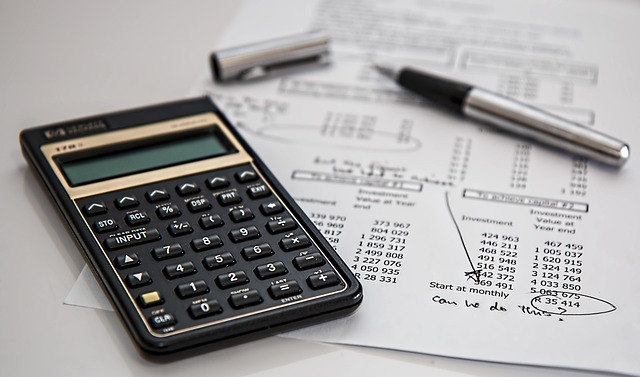
Understanding your home’s energy use is the foundational step in any comprehensive home energy audit process. This initial phase involves a meticulous evaluation of your residence’s energy consumption patterns, identifying areas of both efficiency and potential for improvement. A detailed home energy audit provides homeowners with invaluable insights into how their properties interact with energy systems, ultimately guiding informed decisions to reduce utility costs and environmental impact.
The first step in this journey typically entails gathering comprehensive data on your home’s energy performance. This includes examining utility bills over a defined period, often a year, to establish baseline consumption figures for electricity, natural gas, heating oil, or other fuel sources. For example, analyzing seasonal variations can reveal trends: higher winter usage indicative of insulation needs, while peak summer cooling costs may point towards efficiency upgrades in air conditioning systems. Homeowners should also consider conducting basic inspections, such as checking for well-insulated attics, sealed windows and doors, and the condition of HVAC equipment.
Home energy audit borrower requirements often emphasize the importance of accurate data collection at this stage. Lenders and government programs alike demand verifiable information to underpin proposed energy efficiency measures. This ensures that investments in home retrofits are both logical and cost-effective, aligning with the broader goal of sustainable living and reduced energy expenditure. Armed with a detailed understanding of your home’s current energy use, you can begin identifying strategies to optimize its performance, setting the stage for significant long-term savings.
Conducting a Comprehensive Home Energy Audit
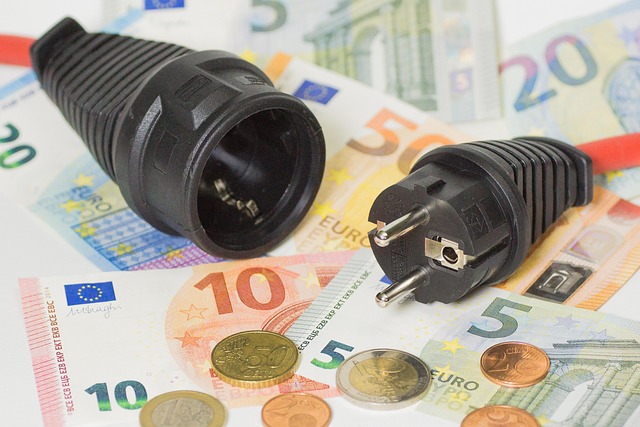
Conducting a comprehensive home energy audit is a crucial step towards achieving energy efficiency and reducing utility costs. This process involves a detailed inspection of your home’s energy use patterns, identifying areas of improvement, and implementing changes to enhance performance. A thorough audit should assess heating and cooling systems, insulation, air sealing, lighting, appliances, and more. For instance, auditors might check for inadequate insulation in attics or walls, which can lead to significant heat loss during winter and gain during summer. They’ll also evaluate HVAC (heating, ventilation, and air conditioning) systems to ensure they operate efficiently.
Home energy audit borrower requirements often include a comprehensive assessment of the property’s energy consumption data. Lenders and government programs are increasingly incentivizing energy-efficient upgrades through lower interest rates or rebates. Therefore, it’s essential to understand these requirements before conducting an audit. For example, some lenders might mandate specific energy savings targets for refinanced mortgages to qualify for better terms. Auditors should provide a detailed report outlining the current energy performance of the home, identifying areas that meet or exceed these borrower requirements and highlighting potential gaps.
Practical advice for homeowners includes scheduling audits during off-peak hours to get more accurate readings, ensuring access to all parts of the home for thorough inspection, and keeping records of previous energy bills. By following best practices for a comprehensive home energy audit, borrowers can not only reduce their energy costs but also enhance their home’s value through energy-efficient upgrades that appeal to prospective buyers. Data shows that homes with high energy efficiency ratings often sell at higher prices and experience faster sales times compared to less efficient properties.
Utilizing Results for Sustainable Home Improvements

A home energy audit offers a detailed assessment of your household’s energy usage patterns, revealing areas where significant improvements can be made to enhance efficiency and sustainability. The results from such an audit provide homeowners with actionable insights tailored to their specific needs, guiding them towards informed decisions for sustainable home improvements. This strategic approach not only reduces environmental impact but also translates into long-term cost savings.
Upon completion of a comprehensive energy audit, borrowers receive a detailed report outlining current energy consumption patterns, identified inefficiencies, and recommendations for upgrades. These recommendations typically include measures to improve insulation, upgrade outdated appliances, and install energy-efficient systems such as smart thermostats or LED lighting. For instance, according to the U.S. Department of Energy, replacing old incandescent bulbs with LED lights can save up to 80% on energy costs over the life of the bulb. The audit results should be viewed as a roadmap for borrowers to navigate the process of home improvement projects, ensuring every dollar spent contributes to both sustainability and financial savings.
To maximize the benefits of a home energy audit, borrowers should actively engage with their auditors, asking questions about recommended changes and understanding the associated costs and potential returns. This collaborative approach ensures that the improvements made align with the borrower’s budget, priorities, and long-term goals for energy efficiency. Moreover, many utilities offer rebates or incentives to homeowners who complete certain energy-saving upgrades, further enhancing the financial viability of these projects. By utilizing the insights gained from a home energy audit, borrowers can make informed decisions that transform their homes into more sustainable, efficient, and ultimately, more valuable properties.