
A home energy audit identifies inefficiencies to reduce utility costs by 30% through upgrades like better insulation, LED lighting, and smart thermostats. It provides a strategic plan for lenders and homeowners to enhance energy efficiency, save money, and benefit the environment, with ongoing maintenance ensuring sustained savings.
In today’s world, managing home energy consumption is more vital than ever for both economic savings and environmental sustainability. With rising energy costs and growing awareness of climate change, consumers seek effective strategies to optimize their homes’ energy efficiency. This article provides a comprehensive guide to navigating the benefits and process of conducting a home energy audit—a powerful tool that empowers homeowners to make informed decisions about their energy use. By understanding this detailed overview, you’ll gain valuable insights into identifying areas for improvement, resulting in significant energy savings and a more sustainable living environment.
Understanding Your Home's Energy Usage
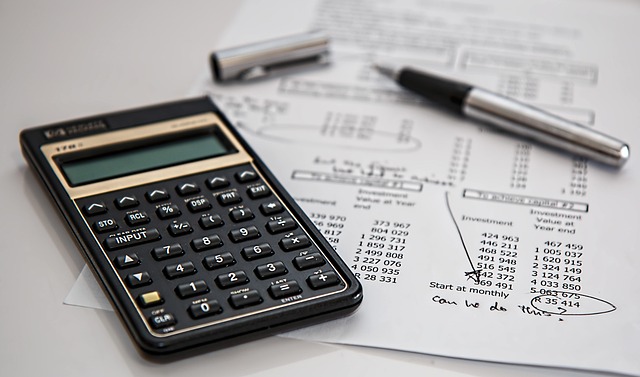
Understanding your home’s energy usage is a critical step in optimizing your living space and reducing costs. A home energy audit provides a detailed evaluation of your residence’ energy consumption patterns and potential areas for improvement. This process involves a comprehensive assessment of heating, cooling, lighting, appliances, and insulation systems to identify inefficiencies and opportunities for savings. By conducting a thorough home energy audit, borrowers can gain valuable insights into their energy usage habits and make informed decisions about retrofits or upgrades.
A key aspect of the home energy audit borrower requirements is identifying the root causes of high energy consumption. Auditors employ advanced tools such as infrared cameras to detect heat loss or gains, air leaks, and inefficient equipment operation. For instance, an old, poorly sealed door or window can result in significant heat transfer, leading to higher heating and cooling bills. Data from the U.S. Department of Energy suggests that energy-efficient upgrades, including better insulation and high-performance windows, can reduce residential energy consumption by up to 30%. By addressing these issues, borrowers not only lower their utility expenses but also contribute to environmental sustainability.
Additionally, a home energy audit borrower requirements often focus on optimizing lighting systems. LED bulbs, for example, consume up to 75% less energy than incandescent ones while emitting less heat. Upgrading to smart thermostats can further enhance energy savings by allowing users to program temperature settings based on occupancy and time of day. According to the Environmental Protection Agency (EPA), replacing traditional light bulbs with LEDs can save an average household around $70 annually in energy costs. These simple, yet effective, changes demonstrate the direct correlation between home energy audit practices and significant financial savings for borrowers.
Conducting a Comprehensive Home Energy Audit
Conducting a comprehensive home energy audit is an essential step for homeowners looking to optimize their energy efficiency and reduce costs. This process involves a detailed inspection of your home’s energy use patterns, identifying areas where improvements can be made. A well-conducted audit not only helps in lowering utility bills but also contributes to environmental sustainability. It’s important to note that understanding the home energy audit borrower requirements is crucial for homeowners planning to finance energy efficiency upgrades. Lenders often consider an audit report as part of loan applications, ensuring investments are targeted and measurable.
The first step in a comprehensive home energy audit is gathering baseline data on your current energy consumption. This includes analyzing utility bills to track monthly usage and identifying peak demand periods. For instance, a typical household may notice significantly higher electricity usage during winter months due to heating. Advanced technology like smart meters can also be employed to collect real-time data, providing a more accurate picture of energy dynamics within the home. Once this foundational information is gathered, auditors can visually inspect the property for potential inefficiencies. This involves checking insulation quality and integrity, air sealing around windows and doors, and assessing heating and cooling systems’ performance.
Following the initial assessment, professionals will often use specialized tools to conduct a more in-depth analysis. These tools can include infrared cameras to detect heat loss or gain, as well as thermal imaging to identify areas where insulation is lacking. Another critical aspect of a home energy audit borrower requirements is addressing structural elements. Adequate insulation in attics, walls, and floors is vital for maintaining comfortable indoor temperatures while minimizing energy waste. According to recent data, proper insulation can save up to 20% on heating bills alone. By pinpointing specific areas needing attention, auditors provide homeowners with a clear roadmap for implementing cost-effective upgrades.
Implementing Energy-Saving Strategies Post-Audit
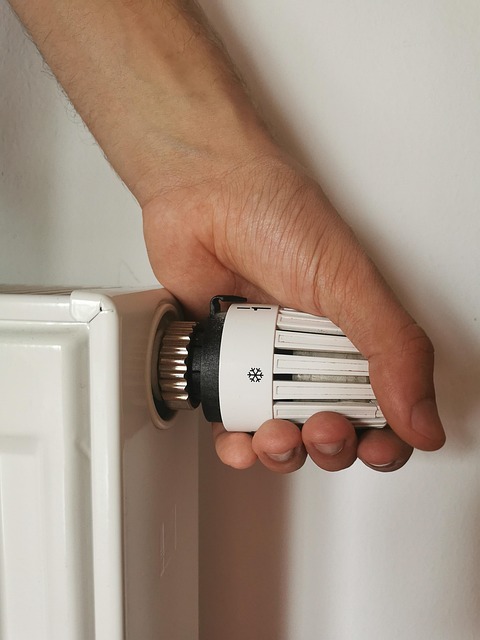
A home energy audit is a powerful tool for homeowners looking to optimize their energy efficiency. Once you’ve completed your audit, the real work begins: implementing energy-saving strategies tailored to your findings. This post-audit phase is crucial in translating data into actionable steps, leading to significant long-term savings on utility bills and contributing to a greener home. A comprehensive strategy might include upgrading outdated appliances to ENERGY STAR models, which can reduce electricity consumption by up to 30%, according to the U.S. Environmental Protection Agency.
For borrowers considering a home energy audit as part of their financial planning, understanding potential savings is key. By investing in energy-efficient upgrades, such as better insulation or smart thermostats, homeowners can see returns on their investment over time. For example, the Department of Energy estimates that upgrading to a programmable thermostat can save an average of $180 per year. Home energy audit borrower requirements often include a comprehensive assessment of these areas, providing a roadmap for informed spending and potential rebates or incentives from local utility companies.
Practical insights are essential here. Start with simple behavioral changes, like turning off lights in unoccupied rooms or adjusting thermostat settings during peak hours. Then, move on to more substantial measures like installing solar panels or energy-efficient windows. It’s also wise to keep records of your audit and any improvements made, as this documentation can be valuable when applying for future loans or grants related to renewable energy initiatives—a growing trend among forward-thinking lenders. Regular monitoring and maintenance are crucial to sustaining these savings over time.