
A home energy audit is a comprehensive assessment of a property's energy usage, identifying areas for improvement to enhance efficiency and reduce costs. Professionals evaluate heating, cooling, insulation, air sealing, and lighting, offering tailored recommendations. Homeowners can take strategic actions, from simple upgrades to complex renovations, saving money and increasing property value. Audits are crucial for meeting lending requirements and promoting environmental sustainability. By interpreting audit results, homeowners make informed decisions, potentially reducing utility bills by 10-30%.
In today’s eco-conscious market, understanding a home’s energy efficiency is paramount for both homeowners and real estate professionals. A comprehensive guide to conducting a home energy audit offers invaluable insights into identifying areas for improvement, enhancing comfort, and significantly reducing utility costs. This article serves as your authoritative resource, providing a clear, step-by-step explanation of the process. By mastering this tool, you’ll gain a competitive edge while promoting sustainable practices in real estate transactions. Let’s explore how a home energy audit can transform our living spaces into more efficient and comfortable habitats.
Understanding Home Energy Audit: Why It Matters
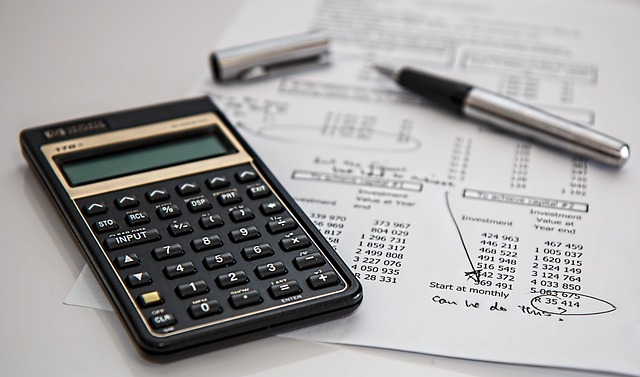
A home energy audit is a critical tool for homeowners looking to optimize their property’s energy efficiency. It involves a thorough examination of a house’s energy consumption patterns and identifies areas where improvements can be made to reduce costs and environmental impact. Understanding why these audits are essential is the first step towards making informed decisions about your home.
Energy audits aren’t just about lowering utility bills; they play a significant role in preparing homes for sale or securing financing, especially with growing environmental regulations. Lenders often require a home energy audit as part of their borrower requirements to ensure properties meet certain energy efficiency standards. For instance, data from the U.S. Department of Energy indicates that improving a home’s energy efficiency can reduce energy bills by 20-30% on average. This is not only beneficial for homeowners but also contributes to broader sustainability goals.
During an audit, professionals assess heating and cooling systems, insulation, air sealing, windows, and lighting among other factors. They then provide recommendations tailored to the specific needs of each home, offering a roadmap for improvement. Homeowners can use these insights to make strategic decisions, from simple DIY upgrades like replacing outdated appliances or fixing leaky faucets to more complex renovations such as installing solar panels or modernizing insulation systems. Taking proactive measures not only saves money in the long run but also enhances the overall value of the property.
Preparing for Your Energy Efficiency Assessment
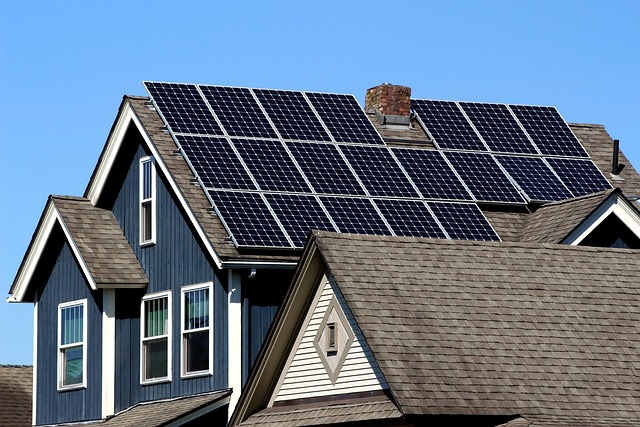
Preparing for a home energy audit is an essential step in understanding your property’s energy performance and identifying areas for improvement. This process involves gathering relevant information and making sure your home is ready for an accurate assessment. One of the primary goals is to ensure that the audit provides an objective picture of your home’s energy efficiency, which can be crucial for both current and potential borrowers.
Start by collecting utility bills from the past 12 months. This data allows energy auditors to compare usage patterns and identify anomalies. For instance, unexpected spikes in electricity consumption could point to issues like faulty appliances or heating/cooling systems. Additionally, prepare a detailed floor plan of your home, including all major rooms, as this aids auditors in visualizing the space and its unique characteristics. Remember, a complete audit requires access to all areas; so, ensure you can accommodate an auditor’s needs, especially in attics, crawl spaces, and basements.
The home energy audit borrower requirements vary based on location and financing institution but generally include maintaining accurate records and ensuring the property meets basic safety standards. Some lenders might ask for a recent energy efficiency rating or demand specific improvements before approving a loan, especially for government-backed mortgages. For example, the U.S. Department of Energy’s Home Energy Score provides a way to gauge a home’s energy performance, which could be a valuable tool for borrowers looking to demonstrate their property’s energy-saving potential.
Uncovering Hidden Energy Cost Savers at Home
Uncovering Hidden Energy Cost Savers at Home
Many homeowners are unaware of the significant potential for saving on energy costs right within their own residences. A home energy audit serves as a powerful tool to identify these hidden opportunities, offering insights into making your home more efficient and cost-effective. This process involves a thorough evaluation of a home’s energy usage patterns, systems, and components, aiming to pinpoint areas where improvements can be made. By conducting a comprehensive audit, homeowners can gain a strategic advantage in managing their utility expenses and even increase the property’s value, which is particularly advantageous for real estate investors and borrowers.
In today’s market, lenders and borrowers alike are recognizing the importance of energy efficiency as a key factor in home assessments. The U.S. Department of Energy estimates that heating and cooling systems alone account for nearly 50% of a homeowner’s utility bills, making these areas prime targets for audit recommendations. A home energy audit can uncover simple yet effective measures like upgrading to ENERGY STAR® qualified appliances or fixing air leaks around windows and doors. Such improvements not only reduce energy consumption but also translate into tangible savings over time, benefiting both the environment and the wallet. For instance, replacing old, inefficient heating systems with modern, high-efficiency models can result in energy cost reductions of 20-50%, depending on the climate zone.
Furthermore, a home energy audit provides a roadmap for prioritizing energy-saving measures based on their potential impact and cost-effectiveness. Borrowers considering renewable energy systems, such as solar panels or geothermal heat pumps, can leverage audit data to make informed decisions about which technologies best suit their homes’ unique needs. This strategic approach ensures that investment in energy efficiency is both meaningful and affordable, ultimately enhancing the overall value of the property and its occupants’ quality of life. By addressing these hidden cost savers, homeowners can look forward to lower utility bills, a reduced carbon footprint, and improved comfort year-round.
Conducting a Room-by-Room Audit: Practical Tips
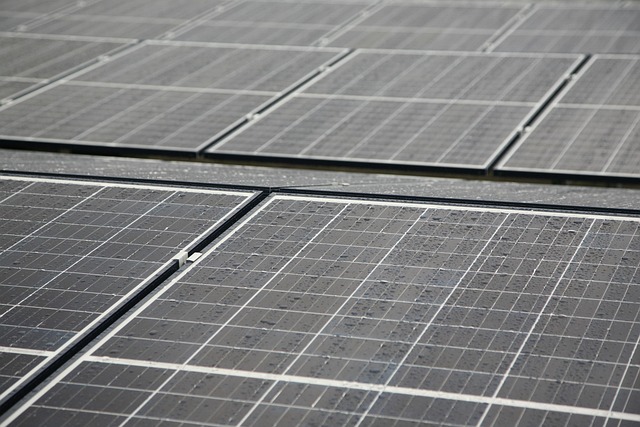
Conducting a room-by-room audit is a critical step in understanding your home’s energy performance, especially for homeowners looking to improve efficiency or those considering selling. This detailed process involves evaluating each space for potential energy savings, ensuring every area contributes to overall home energy audit borrower requirements. Start by assessing the unique characteristics of each room—its size, insulation, and the presence of windows or doors—as these factors significantly impact energy usage.
For example, a larger living room with single-pane windows may be more prone to temperature fluctuations, whereas a well-insulated kitchen with energy-efficient appliances can showcase significant potential for reduction in energy consumption. During your audit, pay close attention to details like drafts around doors or gaps in windowsills, indicating areas that require sealing. Check the age and condition of heating and cooling systems, as outdated equipment can be a major contributor to high energy bills.
A practical tip is to use a flashlight to inspect for visible signs of damage or wear, which could signal the need for replacement. Additionally, examine lighting fixtures; switching to LED bulbs can substantially lower energy usage. In terms of home energy audit borrower requirements, documenting these observations is vital. Take notes, take photos, and create a detailed report to track your findings and potential improvements. This systematic approach ensures no stone is left unturned in optimizing your home’s energy efficiency.
Interpreting Results & Prioritizing Action Steps

After completing a home energy audit, interpreting the results is a critical step that guides you towards making informed decisions about your property’s energy efficiency. This process involves understanding the data collected, identifying areas of concern, and prioritizing action steps to optimize energy performance. Each area assessed during the audit—such as heating, cooling, lighting, and appliances—will provide specific insights into where improvements can be made.
For instance, if the audit reveals high energy consumption in the heating and cooling systems, it could indicate the need for better insulation or an upgrade to more energy-efficient units. Conversely, excessive lighting usage might suggest swapping traditional bulbs with LED alternatives. A thorough analysis of these findings will help you allocate resources effectively. It’s essential to prioritize actions based on both the magnitude of energy savings and the feasibility of implementation.
In the context of home energy audit borrower requirements, understanding and acting upon these insights can be pivotal for homeowners looking to improve their property’s value and reduce energy costs. One-third of U.S. households spend over $200 annually on energy bills, according to recent data—a significant portion that can be trimmed through strategic interventions. By prioritizing improvements based on the audit results, borrowers not only enhance their home’s energy efficiency but also stand to benefit from long-term savings, making it a beneficial step for both current and future residents.
Additionally, many lenders are increasingly recognizing the value of home energy audits, incorporating them into their loan packages as part of responsible borrowing practices. This trend underscores the importance of being proactive in understanding and addressing your home’s energy consumption patterns. By taking action based on audit findings, borrowers can demonstrate a commitment to sustainable living while ensuring they receive the best possible terms for their home financing.
Achieving Long-Term Savings through Home Energy Audit

A home energy audit is a powerful tool for homeowners looking to reduce their energy consumption and save money in the long term. This comprehensive assessment goes beyond surface-level observations, delving into a property’s energy usage patterns, identifying inefficiencies, and offering tailored solutions. By addressing these issues, homeowners can not only lower their utility bills but also contribute to environmental sustainability.
The process involves a detailed inspection of the home’s insulation, heating and cooling systems, lighting, appliances, and other energy-related features. For instance, an audit might reveal inadequate insulation in older homes, leading to significant heat loss during winter. It could also highlight outdated thermostats or inefficient windows, which are common issues contributing to high energy costs. Once these areas are identified, homeowners have the knowledge to make informed decisions about upgrades and retrofits. According to recent studies, a typical home energy audit can result in savings of 10-30% on utility bills over time.
One of the key benefits of conducting a home energy audit is its alignment with borrower requirements for energy-efficient mortgages. Lenders are increasingly encouraging, or even requiring, such audits to assess a property’s energy performance before offering financing. This forward-thinking approach not only helps homeowners save money but also ensures borrowers get more value from their loans. By prioritizing energy efficiency, lenders can reduce the risk of default and contribute to a more sustainable housing market. As energy costs continue to rise, a home energy audit is not just a one-time investment; it’s a strategic move toward long-term financial stability and environmental responsibility.